
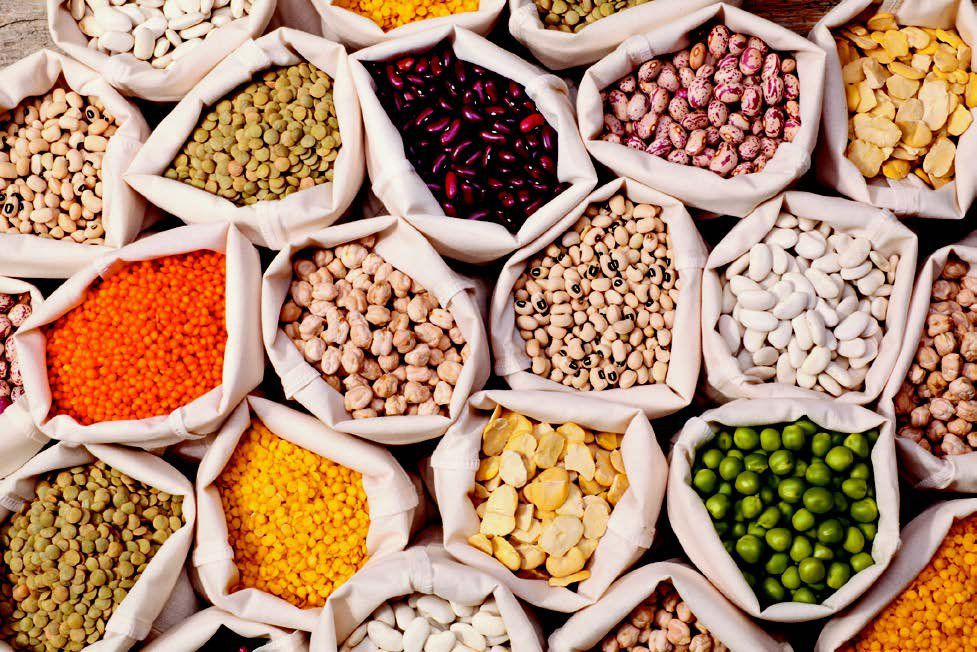
Legume crops are plants belonging to the Fabaceae family, renowned for producing seeds inside pods. They are global agricultural staples valued for their protein-rich food yields and unique ability to naturally enrich the soil by pulling nitrogen from the air.
Common Categories and Types
Legumes are primarily classified based on their use and seed characteristics:
- Pulses: Dried seeds harvested for human and animal consumption, including lentils, chickpeas, and dry beans (e.g., kidney, pinto, and black beans).
- Oilseed Legumes: Crops primarily grown for oil extraction and high-protein meal, most notably soybeans and peanuts.
- Fresh Legumes: Eaten in their immature, green pods. Examples include green peas, snow peas, and green beans.
- Forage/Cover Crops: Grown to feed livestock or improve soil health rather than for direct human consumption, such as alfalfa and clover.
Agricultural Importance
Legume crops are fundamental to sustainable farming and global food systems:
- Nitrogen Fixation: Legume roots host beneficial bacteria that convert atmospheric nitrogen into usable fertilizer. Farmers often use them in crop rotation cycles to replenish depleted soil and reduce the need for synthetic fertilizers.
- Cover Cropping: When planted as a cover crop, they prevent soil erosion and shade out weeds.
- Nutritional Value: They are a major plant-based protein source, providing high dietary fiber, vitamins, and minerals with a low glycemic index.
PEANUTS
BEANS
PEAS
SOYA BEANS
BROAD BEANS
LENTILS