
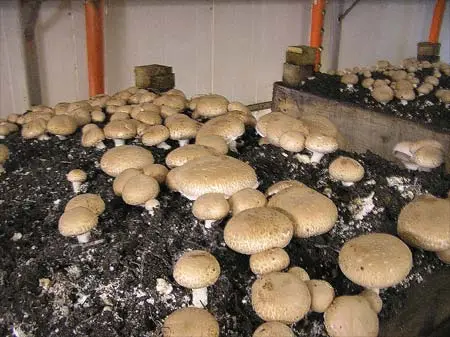
A mushroom is the fleshy, spore-bearing "fruiting body" of a fungus. Just like an apple is the fruit of a tree, a mushroom is merely the temporary, visible reproductive part of a much larger living organism that exists primarily as a network of underground threads (mycelium).
Key Biological Facts
- Not a Plant or Animal: Mushrooms belong to their own unique biological kingdom—Fungi. They do not contain chlorophyll and cannot make their own food through photosynthesis.
- How They Feed: Fungi absorb nutrients from decaying organic matter, living tissue, or through symbiotic relationships with other organisms.
- Reproduction: Mushrooms release microscopic cells called spores (the fungal equivalent of seeds) into the air to reproduce.
- Connection to Us: Biologically, fungi share a more recent common ancestor with animals than they do with plants.
Different Types & Uses
- Culinary: Many species (like button, portobello, and shiitake) are edible, rich in nutrients, and valued for their savory flavor.
- Medicinal: Certain mushrooms are used in holistic medicine and are studied for their antioxidant properties.
- Toxic: Some wild species are highly poisonous and can be deadly if ingested.