
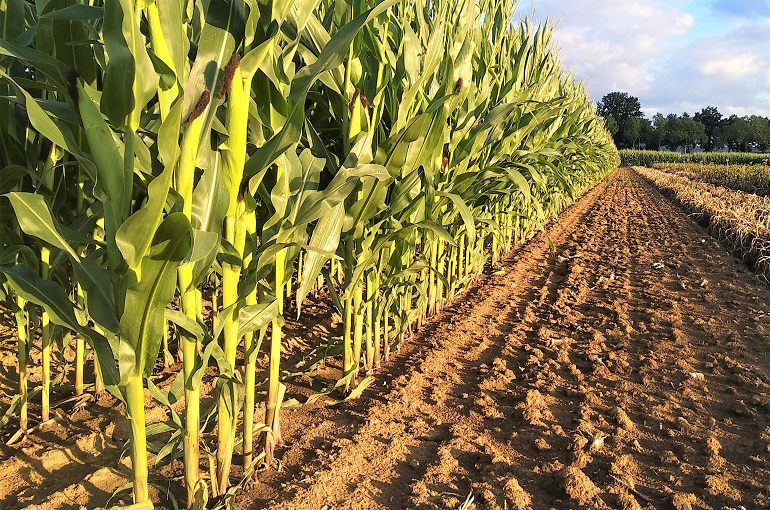
Grains farming in Zimbabwe is split between staple maize and climate-resilient traditional grains (sorghum, pearl millet, and finger millet). With over 60% of farmland in drought-prone regions, government policies require agricultural processors to source locally, and the push towards traditional grains is vital for national food security.
Grain Cultivation Breakdown
- Maize: Remains the primary staple crop. Despite historically dominating local consumption, recurring droughts and El Niño patterns make its rain-fed cultivation highly risky in marginal areas.
- Traditional Grains: Sorghum, pearl millet (mhunga), and finger millet (rapoko) are native, drought-tolerant, and well-adapted to poor soils. Pearl millet, for example, can produce reliable yields in severe heat.
- Wheat: Grown primarily as a winter crop under irrigation.
Key Farming Practices & Programs
- Climate-Proofing (Pfumvudza/Intwasa): A national agricultural initiative heavily promoting conservation agriculture and zero-tillage to retain soil moisture and improve yields, especially for smallholder farmers.
- Agro-Ecological Matching: Farmers are increasingly encouraged by agricultural bodies to align their seed choices with their specific region’s rainfall and soil profiles rather than planting water-intensive crops in dry zones.
Regulatory & Market Environment
- Import Regulations: The government enforces strict import bans on corn, grains, and related oilseeds to stimulate domestic production.
- Mandatory Off-take: Commercial processors are legally required to source their grain quotas locally, creating a strong domestic market for Zimbabwean farmers.
Resources for Farmers
Success in grains farming relies on utilizing certified varieties and proven agronomic practices:
- Seed Co Agronomy Manual: Consult the Seed Co Group for specific details on producing maize, sorghum, and soyabean.
- Small Grains Guidebook: Review the naturally Zimbabwean Small Grains Huge Gains Booklet for dietary uses and seed storage.
- Technical Training Manual: Read the WordPress small grains guide to better understand rainfall, temperature, and soil conditions for sorghum and millet.