
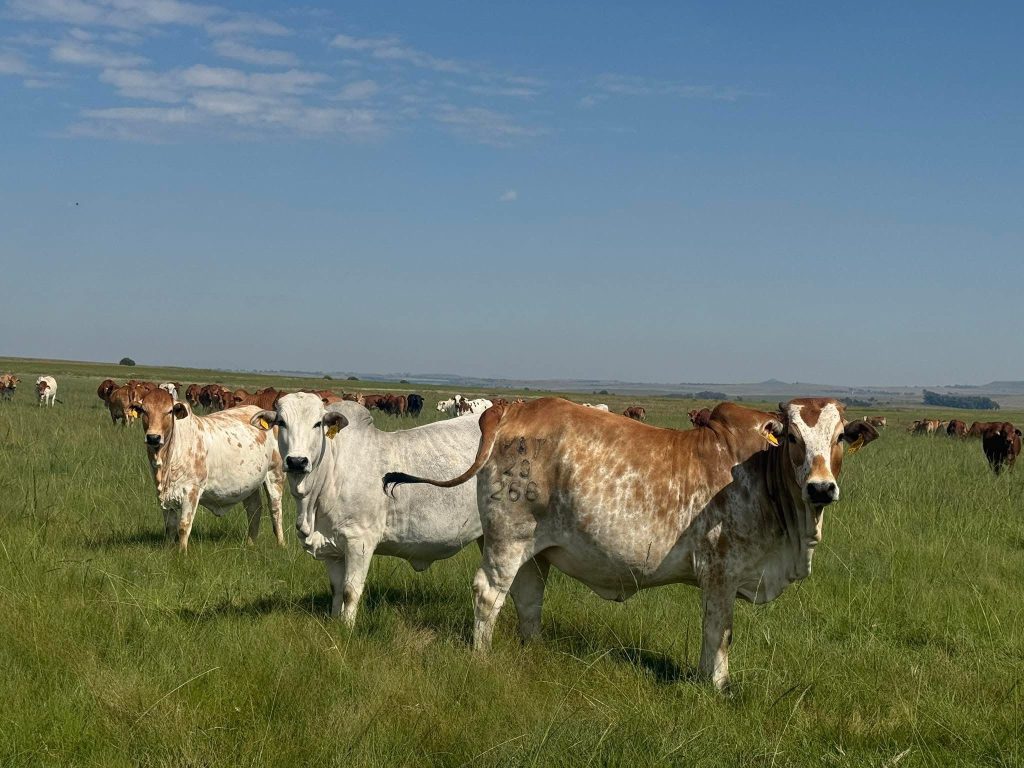
Livestock is a vital pillar of Zimbabwe’s agricultural sector, providing economic livelihoods, draft power, and food security, with rural smallholder communities owning the vast majority of the approximately 5.7 million national cattle herd. The industry primarily focuses on beef cattle, goats, pigs, sheep, and dairy, heavily relying on natural rangelands.
National Herd & Composition
- Cattle: The national herd numbers around 5.7 million. Rural communities own an estimated 5.1 million of these, using them as a vital store of wealth and savings.
- Small Stock: Goats number between 3 and 4 million. Sheep and pigs play smaller but significant roles, particularly in regional and communal farming systems.
- Dairy: The dairy herd has seen growth (over 53,000 head) but national milk production (around 67 million liters) still falls short of the 120 million liters demanded annually.
Key Challenges
- Climate & Drought: Periodic droughts, notably El Niño events, heavily impact rangelands and water availability, leading to targeted government programs for borehole drilling and drought-tolerant breed development.
- Stock Theft: The livestock sector faces persistent challenges with organized cattle rustling, which has triggered massive nationwide police clampdowns on illegal meat vending and unregulated butcheries.
- Productivity Gaps: Average calf birth rates are estimated around 38% to 39%, with high calf mortality rates. The government and private sector are promoting improved feeding, body weight tracking, and artificial insemination to increase efficiency.
Industry Support & Regulation
- Associations: The Livestock and Meat Advisory Council (LMAC) advocates for producers and works on meat/dairy market research and disease control.
- Traceability: The Livestock Identification Trust (LIT) runs a voluntary livestock tracing scheme (ZCTS) which uniquely tags animals with tamper-proof ear tags to combat stock theft and trace farm origins.
- Government Schemes: The Ministry of Lands, Agriculture, Fisheries, Water and Rural Development operates Presidential schemes for rural poultry and goats, as well as providing silage and forage inputs to improve livestock health.
POULTRY
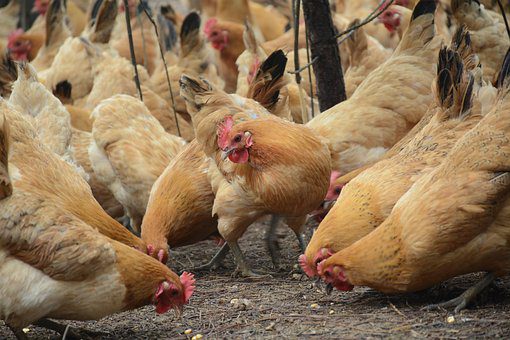
Poultry farming is one of the fastest-growing agribusinesses in Zimbabwe. It serves as a vital income source, provides crucial protein, and drives job creation across the country. Whether raising broilers for meat or layers for eggs, many small-scale farmers and commercial producers find it highly profitable.
Market Overview & Popular Breeds
- Broilers: The most popular choice for quick meat production. They grow rapidly and are usually ready for the market in 5 to 6 weeks.
- Layers: Highly sought after for egg production. Managing flocks for eggs requires careful attention to minerals, lighting, and specialized feed.
- Roadrunners (Indigenous/Heritage Breeds): Breeds like the Black Australorp, Boschveld, and Saso are extremely popular. They are hardy, require less expensive commercial feed, and are highly valued for their meat quality and sustainability.
Startup & Operational Costs
- Day-Old Chicks: Day-old broiler and layer chicks are readily available from local hatcheries.
- Feed: Feed accounts for the majority of operational costs (up to 65-70%). A mature chicken eats roughly 0.12kg of feed daily.
- Profits: Raising a day-old chick to a mature market size costs roughly $5, while mature birds (especially roadrunners) can fetch anywhere from $30 to over $100, depending on breed and breeding quality.
Resources & Technology
- Innovations: Local startups are innovating the market to help farmers. For instance, Passion Poultry designs affordable chick brooding devices and mobile slaughterhouses to help farmers reduce chick mortality and process birds.
- Expertise: Government organizations and the FAO partner with local farmers to promote sustainable farm management, proper sanitation, and strict biosecurity to avoid disease outbreaks
Urban Farming Regulations
If you are operating in Harare or other major cities, it is important to be aware of municipal by-laws. Backyard poultry is an important source of income for urban residents, but city councils enforce strict rules regarding hygiene, noise, and coop proximity (e.g., coops must be a minimum distance from boundaries and human dwellings) to prevent public nuisance.
Industry Support
For bulk buying, feed advice, or networking, local bodies like the Zimbabwe Poultry Association (ZPA) can be contacted for industry updates. You can also find active communities of local producers on the Zimbabwe Poultry Farmers Facebook groups.