
Zimbabwe’s fisheries sector is a rapidly expanding pillar of the agricultural economy, divided between capture fisheries and a fast-growing aquaculture industry. Driven by Lake Kariba, which supplies the majority of production, the sector aims to boost food security and build a billion-dollar industry by utilizing the country's abundant inland water resources.
Capture Fisheries
- Lake Kariba: This is the largest fishery in the country. It supports both a semi-industrial night fishery for Kapenta (small freshwater sardines) and artisanal inshore fisheries that use gillnets.
- Inland Dams: Zimbabwe has over 10,000 dams covering nearly 3,910 square kilometers. These, along with major perennial rivers like the Zambezi and Save, support artisanal and recreational fishing.
Aquaculture (Fish Farming)
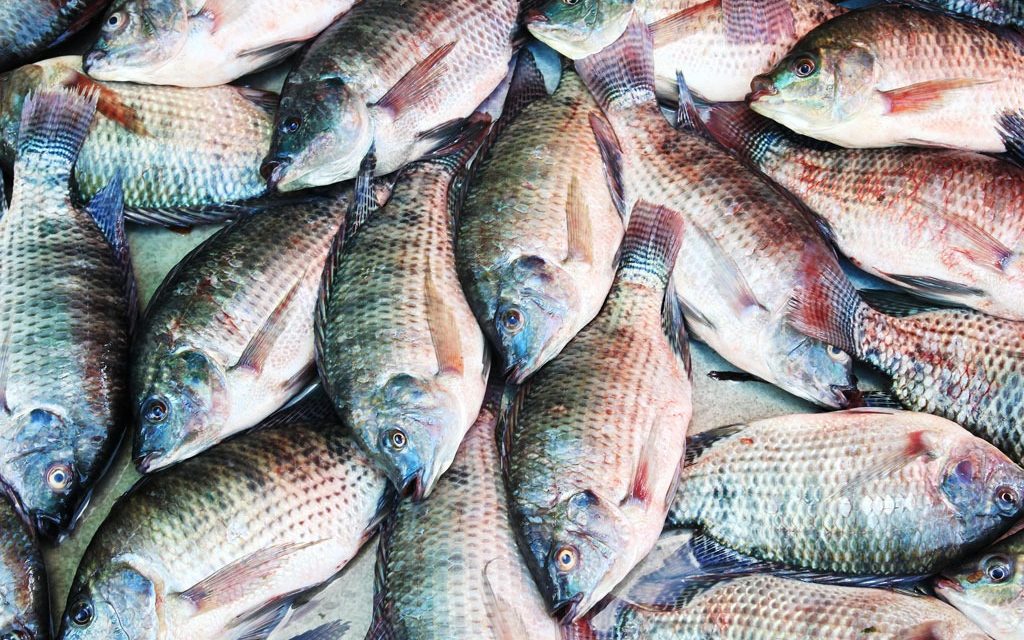
- Target Species: Nile tilapia (Oreochromis niloticus, commonly known as Kariba bream) is the most widely cultivated breed due to its suitability to local warm-water conditions and rapid growth cycle (reaching harvestable size in 4 to 6 months).
- Production Focus: There is a deliberate national shift from capture fisheries to aquaculture to offset declining catches and meet national demand. Commercial and small-scale operations utilize cages in lakes as well as land-based ponds across various provinces.
Industry Development & Support
- Policy Growth: The government is formalizing and protecting the industry with initiatives such as the Presidential Community Fisheries Scheme and dedicated aquaculture bills aimed at regulating feed, quality standards, and cold-chain development.
- Resources & Training: Organizations and local networks provide farmers with necessary technical know-how to build profitable and sustainable community projects.
If you are looking to start your own operation or connect with local suppliers and resources, the following organizations can help:
- Consult the Fisheries and Aquaculture Resources Production page provided by the Ministry of Lands, Agriculture, Fisheries, Water and Rural Development for policy and extension services.
- Read the Zimbabwe - Fishery and Aquaculture Country Profiles by the Food and Agriculture Organization (FAO) for in-depth national statistics and sector breakdowns.
- Visit the STATUS OF AQUACULTURE IN ZIMBABWE: PAST ... via the World Aquaculture Society to explore historical trends and growth projections.
- Connect with local practitioners via the Agri Fisheries Zimbabwe | Harare - Facebook page for day-to-day community support and networking.