
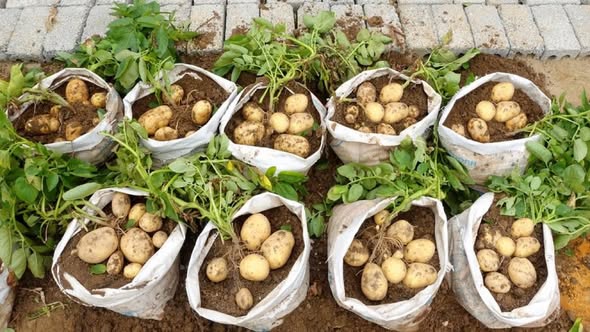
Tubers are a vital part of Zimbabwe’s agricultural landscape, offering key sources of nutrition, climate resilience, and economic value. Popular varieties range from widely farmed staple crops like sweet potatoes and Irish potatoes to traditional, culturally significant indigenous tubers.
Main Types of Tubers in Zimbabwe
- Irish Potatoes: A strategic food crop. Common varieties include Amethyst (widely cultivated with high resistance to blight), BP1, Diamond, and Mondial.
- Sweet Potatoes: A highly profitable and less labor-intensive crop. Common varieties include the orange-fleshed Beauregard (often grown for export), staple white/cream types, and red/purple-skinned varieties like Northern Star.
- Cassava: Grown primarily in tropical and warmer areas of the country, acting as a crucial food security crop during droughts.
- Madhumbe (Taro - Colocasia esculenta): A herbaceous plant widely grown in wetland areas, especially in the eastern districts, producing edible tubers and leaves.
- Tsenza (Livingstone Potato - Plectranthus esculentus): An indigenous, highly nutritious tuber from the mint family historically cultivated in the eastern districts of Zimbabwe.
- Manyanya: A wild climbing tuber found in the hot and dry northern districts (like Mutoko and Mt. Darwin). It has been utilized by the Shona and Korekore people for centuries but is primarily harvested for personal consumption.
Resources & Production
- Research and Traditional Crops: To learn more about how indigenous roots and tubers support nutrition and climate resilience, read the Seed and Knowledge Initiative Deep Roots booklet.
- Slow Food Heritage: Discover the cultural and biological significance of the Manyanya Tuber at the Slow Food Foundation Archive of Taste.