
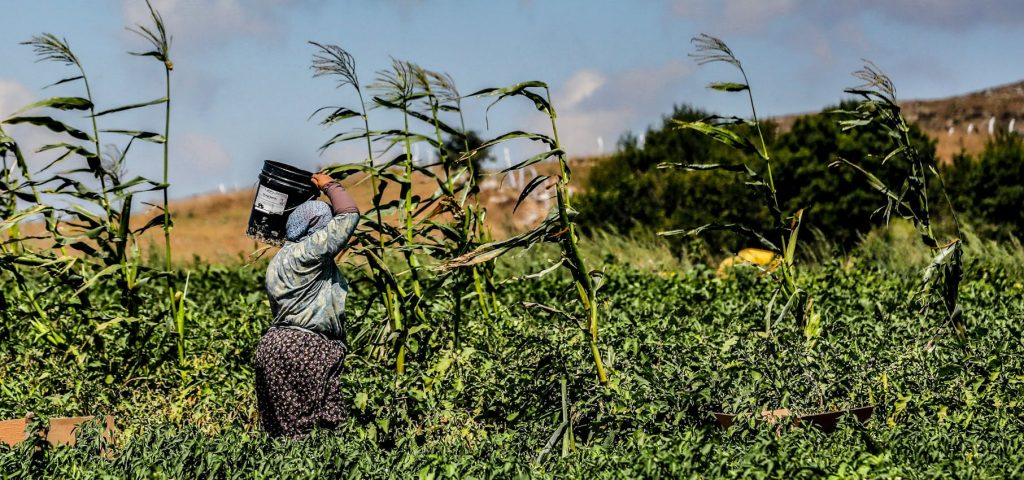
Zimbabwe’s agricultural landscape is highly diverse, spanning large-scale commercial farming and smallholder setups. The sector focuses on staple grains (maize, wheat), high-value cash crops (tobacco, cotton), strategic industrial commodities (soybeans), and horticultural produce tailored to local and international demands.
Staple Food Crops
- Maize: The principal staple crop produced by the vast majority of smallholder farmers. National yields have rebounded significantly, leading to strong strategic grain reserves.
- Small Grains: Drought-tolerant crops like sorghum, pearl millet, and rapoko (finger millet) are heavily utilized in drier ecological zones to ensure food security.
- Wheat: Grown predominantly as a winter crop, domestic production now exceeds national consumption needs.
Major Cash & Export Crops
- Tobacco: The country's highest-earning foreign exchange agricultural asset. Over 300,000 tons are consistently produced, bringing in substantial revenue.
- Cotton: Once a leading export, traditional cotton production has declined significantly, though efforts to rehabilitate the sector remain ongoing.
- Horticulture: Includes macadamia nuts, sugar snap peas, and other vegetables that are grown for both domestic markets and high-value international exports.
Industrial & Oil Crops
- Soybeans: Crucial for domestic cooking oils and stock feeds. National demand remains high, driving ongoing initiatives to boost local yields.
- Sugarcane: Grown primarily in the lowveld regions (such as the Triangle and Hippo Valley estates) under large-scale irrigation for sugar production and ethanol.
Root & Tuber Crops
- Sweet Potatoes & Cassava: Grown widely, especially by smallholder farmers, as drought-resistant supplements that help diversify diets and boost rural food security.
To maximize yields and profitability across Zimbabwe's diverse ecological regions:
- Explore targeted agricultural inputs and seasonal varieties for your region on the Seed Co Zimbabwe platform.
- Read the M&J Consultants report for an updated look into the most profitable crops to grow in the region.
- Access climate-smart farming methodologies and resilience guidelines provided by the UNDP Climate Change Adaptation initiative.
- Review production statistics and developmental programs on the Food and Agriculture Organization portal.